

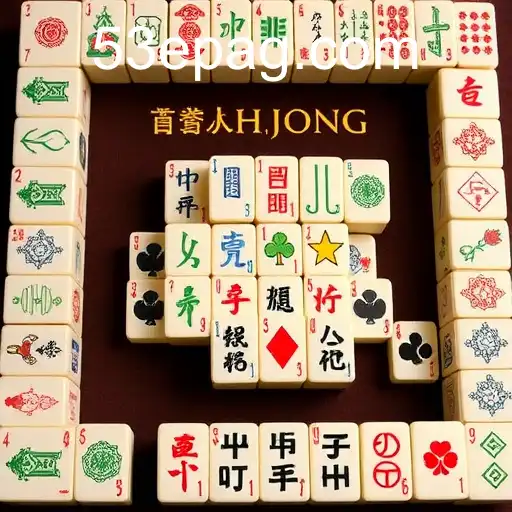
Understanding the Fascinating Game of Mahjong: An In-depth Look
Mahjong, often spelled as "Mah Jong" or "Mah-jongg", is a traditional game that originated in China. Consisting of tiles rather than cards, this intricate game is not only a test of skill but also a deeply cultural experience. The game is revered for its complexity and is a popular pastime worldwide, especially in East Asia. Interestingly, "53E" is a term often used in strategies involving Mahjong tiles, signifying the dexterity and precision players must possess.
The Origins of Mahjong
The history of Mahjong is shrouded in mystery. Some historians argue that it has evolved from an ancient card game similar to the Western game of rummy. Others suggest that it was developed from tile-based games that were played in ancient China over a thousand years ago. What is certain is the game began to take its present form in the mid-to-late 19th century in China. It quickly rose in popularity, spreading to Japan, Korea, and eventually to the rest of the world.
Basic Components of the Game
Mahjong is traditionally played with 144 tiles based on Chinese characters and symbols. However, some regional variations use different numbers of tiles. The tiles are divided into several suits - Bamboo, Characters, and Circles - which total 108 tiles. Additionally, there are 4 Winds (East, South, West, North) and 3 Dragons (Green, Red, White), amounting to 28 more tiles.
Beyond the standard tiles, the game also includes four flower reserve tiles. While not as commonly used in Western versions, they play a critical role in the strategy and scoring systems in Eastern variations.
Understanding the Rules
In the game of Mahjong, four players compete to form a complete hand, consisting of four sets and one pair. Sets can be a "pung", which is a set of three identical tiles; a "chow", which is a straight of three consecutive numbers in the same suit; or a "kong", which is a set of four identical tiles. Once a player completes this hand, they call "Mahjong" and the round ends.
Scoring in Mahjong can vary greatly depending on the regional version. Typically, points are awarded for difficult or skilled hands. Some hands, known as special hands, can score massive points and turn the tide of a game swiftly.
222HOT.comPopular Variations of Mahjong
As the game spread across the globe, various adaptations and variations developed. The most noteworthy variations include:
- Cantonese Mahjong: Played predominantly in Guangdong province, this version incorporates flower tiles and a more complex scoring system.
- Japanese Mahjong: Known as "Riichi Mahjong", it's characterized by the strategic placement of tiles and the emphasis on concealed hands.
- American Mahjong: Introduced in the early 1920s, using a separate set of cards for scoring, this version is more like a parlor game. 661bet
The Strategy Behind Mahjong
While luck is undeniably a factor in Mahjong due to the random nature of shuffling and drawing tiles, skill and strategy play significant roles. Strategic decision-making is crucial, requiring players to determine when to be aggressive and when to be defensive. They must calculate odds, predict opponents' hands, and decide which tiles to discard carefully.
"53E" strategies in Mahjong often involve predictive calculations based on the tiles visible and deducing the potential tiles remaining in the wall or opponent's hand. Advanced players master these intricate probabilities to enhance their odds of winning.
Mahjong in Modern Culture
56F.COMIn contemporary culture, Mahjong has not only survived but thrived. It has made numerous appearances in films, television, and even video games. This relevance in pop culture has introduced Mahjong to new audiences, contributing to its popularity.
Furthermore, the advent of online platforms and gaming apps have catapulted Mahjong into the digital age. Platforms like "Mahjong 247" allow enthusiasts to play anytime, anywhere, connecting players globally. Despite these advances, traditional face-to-face games remain popular, as the social aspect is an integral part of the Mahjong experience.
Conclusion
2010.comThe allure of Mahjong lies in its beautiful blend of chance, skill, and social interaction. For those looking to understand its depth, learning Mahjong can be a rewarding journey into strategy and culture. Whether you are a seasoned player or a curious newcomer, exploring the world of Mahjong promises an engaging and stimulating experience.
099bet.com